
14th Aug 2026
3 Washout Options for Sandcarving Films
When choosing a photoresist film for sandcarving, one question that often comes up is: How am I going to wash out the film?
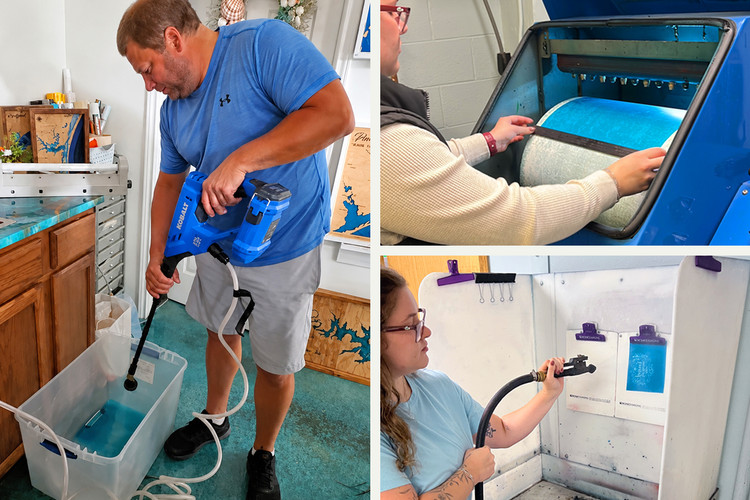
A dedicated washout area with hot water is convenient, but it isn't the only way to process washout-style photoresist films. Whether you're just getting started, working in a space without a hot-water connection, or producing masks every day, there are several ways to build a washout process that fits your shop.
Washout Film vs. RapidMask Dry Process Film
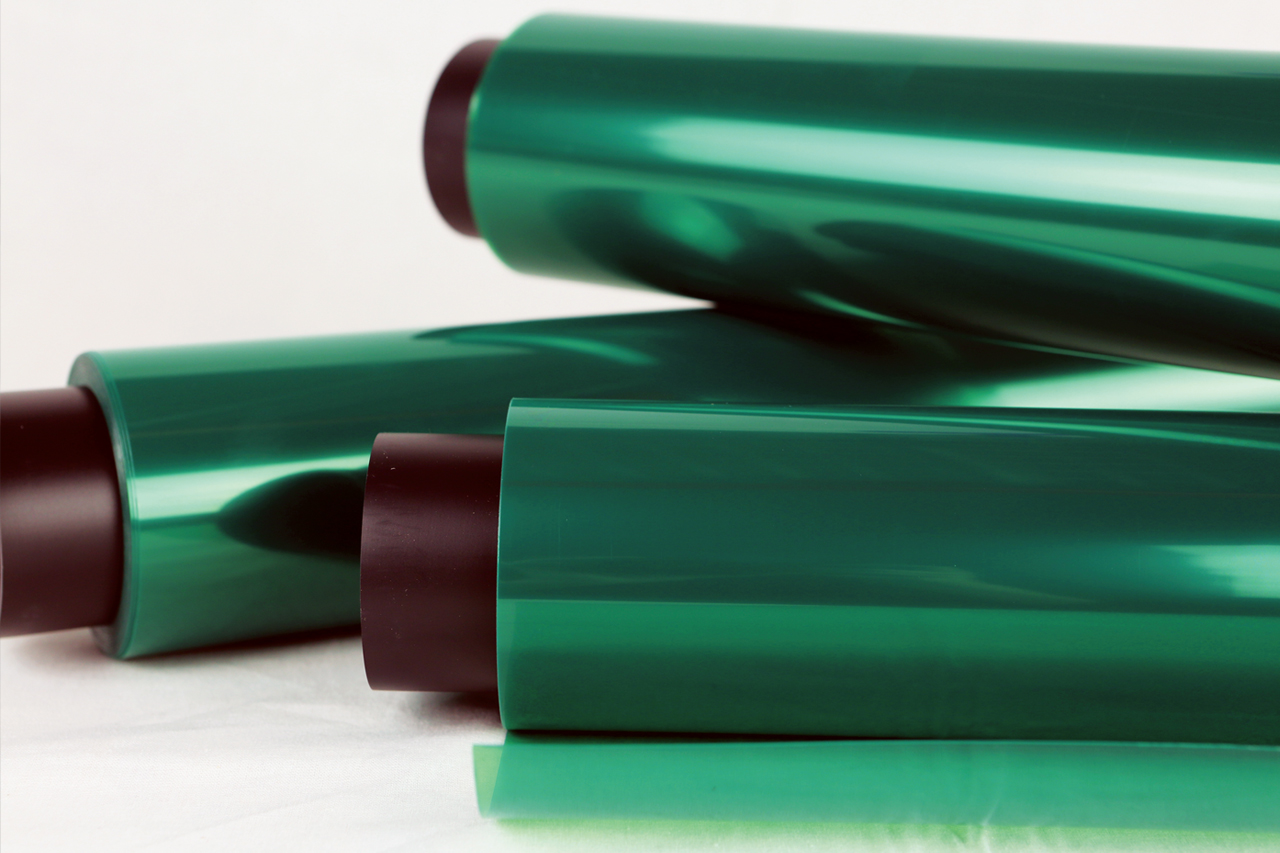
IKONICS Imaging offers both traditional washout photoresist films and RapidMask dry-process film.
Washout photoresist films are exposed to UV light and then developed with water. During washout, the unexposed areas of the photoresist are removed to create the openings that will be sandcarved.
RapidMask eliminates the washout step entirely. It is a self-adhesive, dry-process photoresist film, so the basic workflow is simply expose, apply, and blast. This makes RapidMask a great option when access to water is limited or when you want to simplify the stencil-making process. However, there are plenty of reasons to choose a washout film depending on the application, film thickness, detail needed and type of sandcarving you are doing.
3 Ways to Wash Out Sandcarving Photoresist Film
You don’t need an elaborate washout system to get started with photoresist film. Depending on your workspace, production volume, and budget, there are several effective ways to develop sandcarving stencils. Here are three practical washout options to consider.
Option 1: A Bucket and Battery-Powered Pressure Washer
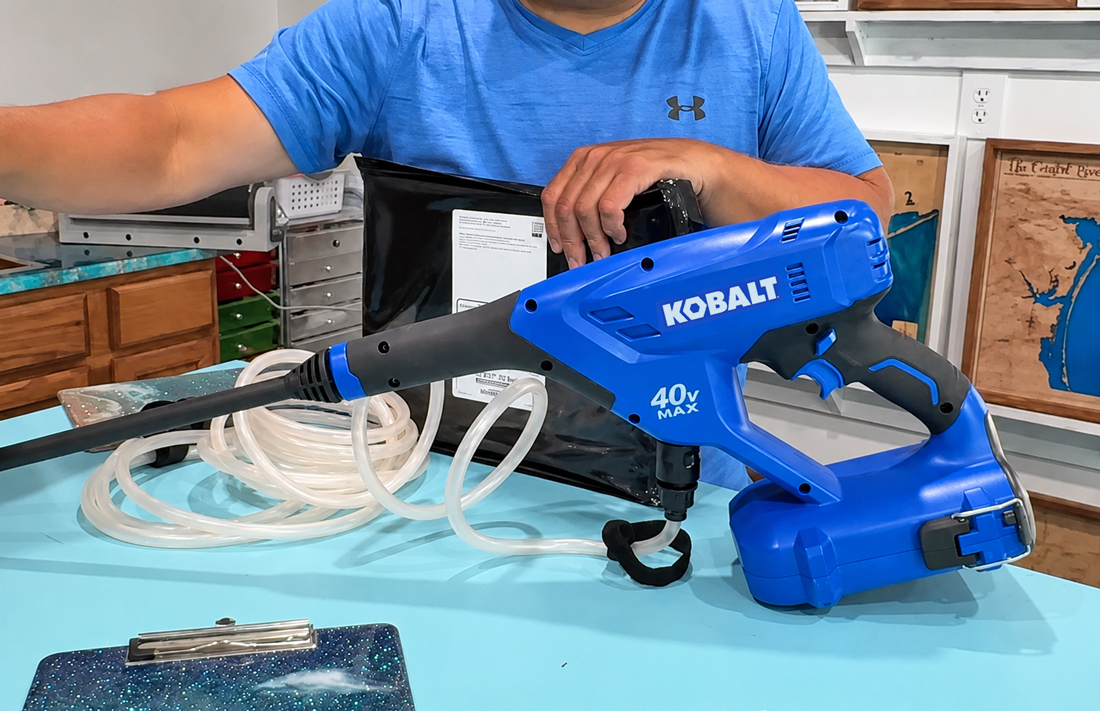
Don't have hot water available where you make your stencils? A portable battery-powered power cleaner can provide a surprisingly simple solution.
Fill a bucket with warm water and use a portable power cleaner equipped with a self-siphoning hose to draw water directly from the bucket. Place your exposed photoresist film in an appropriate washout area or water catcher and develop the stencil with the power cleaner.
We recently demonstrated this method in a YouTube video using a Kobalt 24V Brushless Power Cleaner. Because the unit is battery operated and can siphon water from a separate container, you don't need a dedicated hose connection at the washout location.
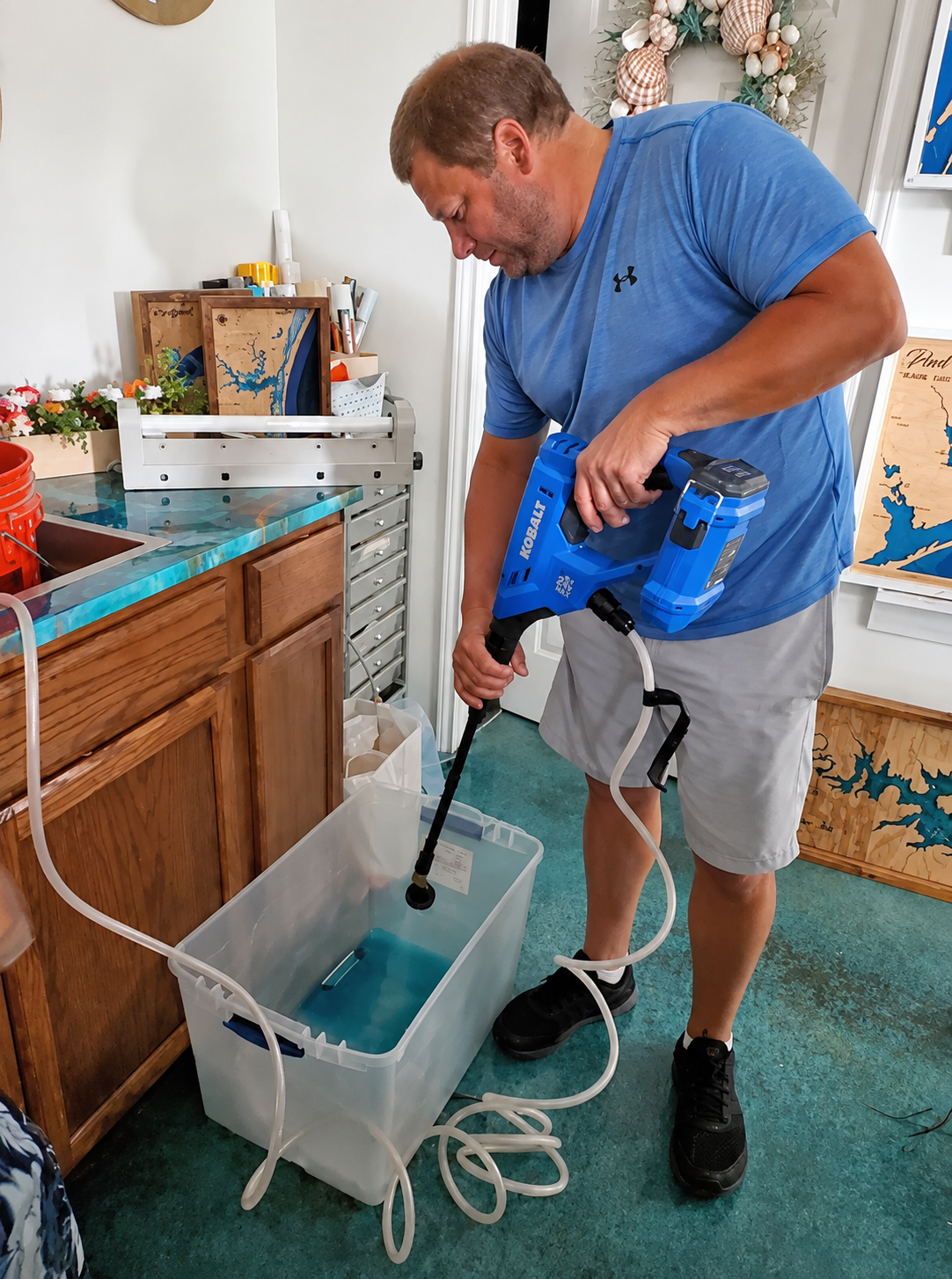
The setup is simple:
- Fill a bucket with warm water.
- Place the power cleaner's siphon hose into the bucket.
- Secure the exposed photoresist film on a clipboard or washout surface.
- Wash out the image using the appropriate spray pattern and technique.
- Dry the finished stencil before application.
This can be especially useful for someone getting started with washout film, working in a temporary space, or operating where plumbing a dedicated hot-water washout station isn't practical.
Tip: Always use water temperatures, spray settings, and washout techniques appropriate for the photoresist film you are processing and within the operating limits of your washout equipment.
WATCH VIDEO: DIY Washout Tub with Pressure Washer
--
Option 2: Washout Booth + TriggerJet Nozzle
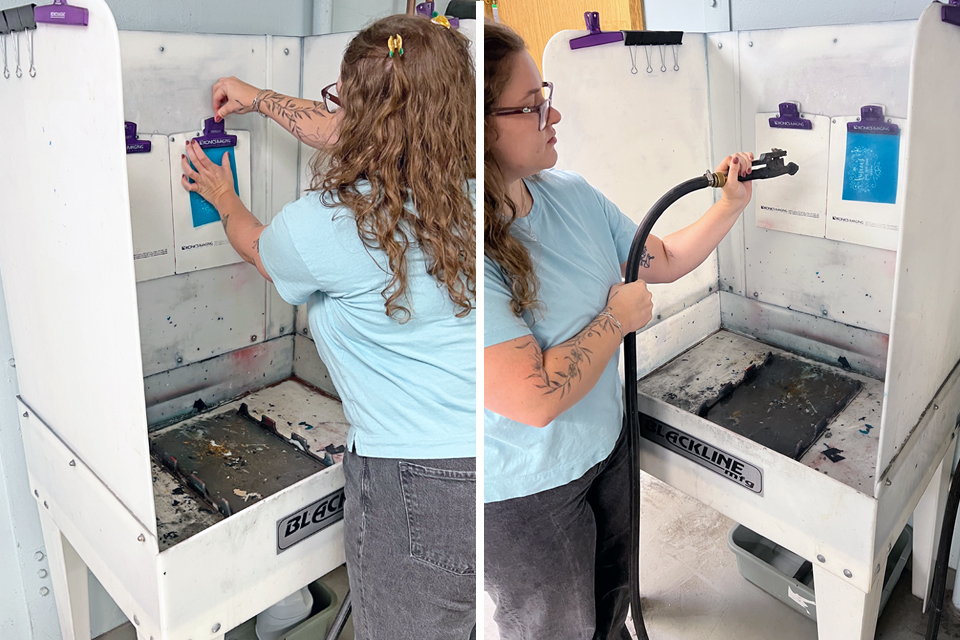
For a more permanent manual washout station, a screen printing washout booth combined with the IKONICS Imaging TriggerJet Nozzle is another affordable option.
Screen printing washout booths are readily available and provide a convenient, contained area for developing photoresist films. Pair the booth with a water supply and the TriggerJet, and you have a simple dedicated washout station without investing in an automatic machine.
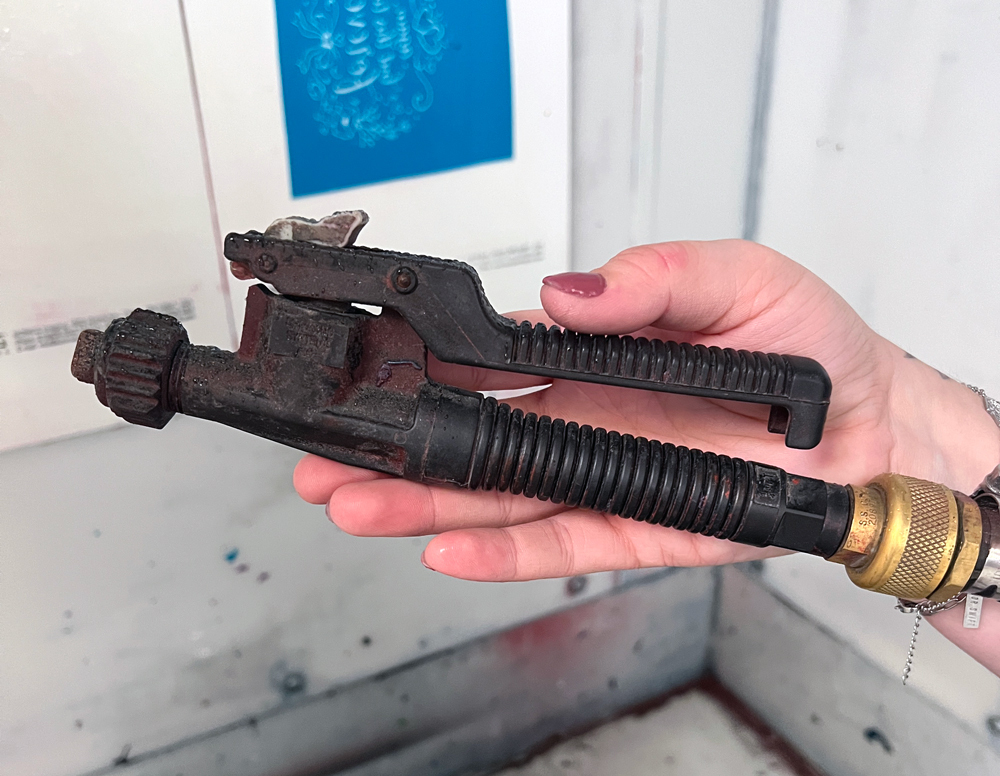
This setup makes sense for shops that:
- Regularly use washout photoresist film
- Want a dedicated, contained washout area
- Prefer manual control of the washout process
- Aren't producing enough masks to justify an automated system
It's a straightforward step up from a portable washout setup while keeping equipment requirements relatively simple.
WATCH VIDEO: TriggerJet Nozzle Setup
--
Option 3: Automate with AquaBlast
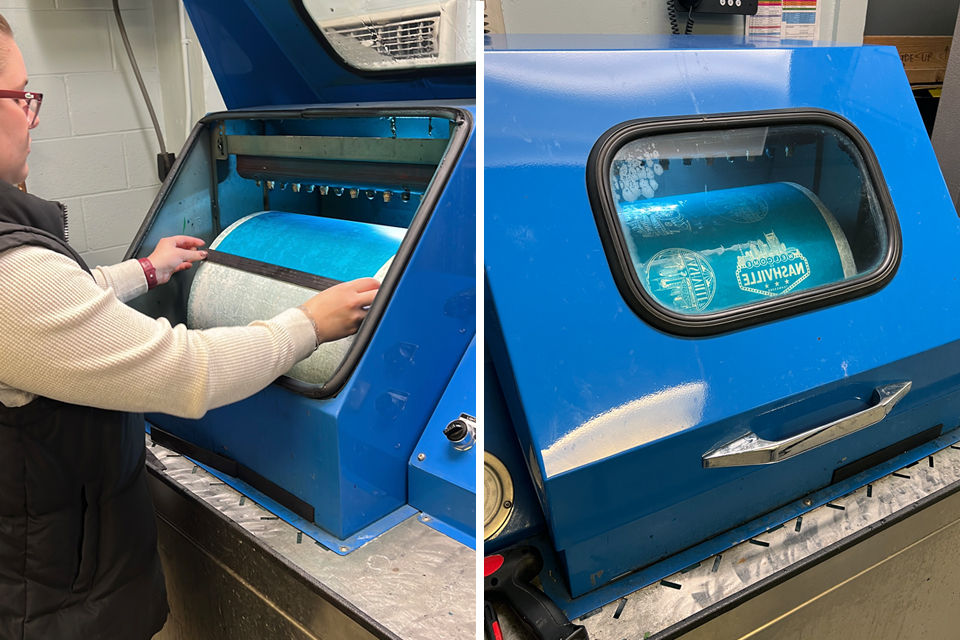
As production increases, manually washing every stencil can become a bottleneck. IKONICS Imaging's AquaBlast systems automate photoresist film washout inside a contained unit, helping shops improve throughput and create a more repeatable washout process.
WATCH VIDEO: AquaBlast Auto Washout Overview
AquaBlast Pro
The AquaBlast Pro is a great option for operations looking to move from manual to automated film development. Automating washout reduces the amount of hands-on operator time required and helps make the process more consistent from stencil to stencil.
Learn more about the AquaBlast Pro »
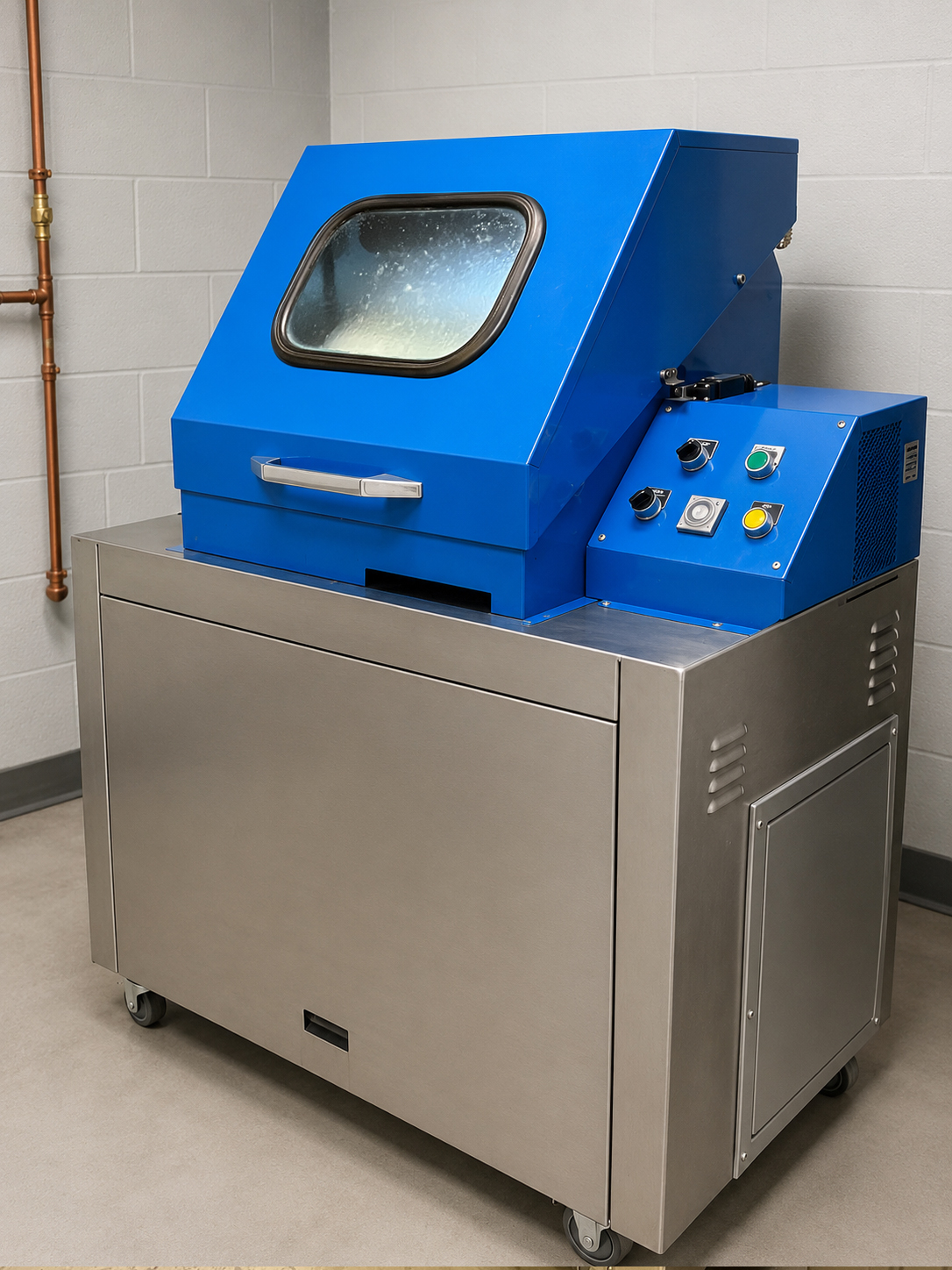
AquaBlast Elite 3.0
For shops with greater production requirements, the AquaBlast Elite 3.0 provides an automated solution designed for higher-volume photoresist film processing.
With an automated AquaBlast system, the operator can load the exposed film and allow the equipment to perform a process that would otherwise require manually spraying each mask.
Learn more about the AquaBlast Elite 3.0 »
Which Sandcarving Film Washout Option Is Right for You?
Your washout setup doesn't have to be complicated. If you only make occasional washout stencils or don't have hot water plumbed into your workspace, a bucket and portable battery-powered power cleaner may be all you need.
If you want a permanent manual station, consider a washout booth and TriggerJet Nozzle. If photoresist mask production has become a regular part of your operation, an AquaBlast Pro or AquaBlast Elite 3.0 can automate the process and increase efficiency.
Or, if you'd rather eliminate washout completely, RapidMask dry-process photoresist film gives you another option.
The right choice depends on your production volume, workspace, and the type of sandcarving you do. Explore IKONICS Imaging photoresist films, shop our auto washout units, or contact IKONICS Imaging to find the right film and process for your application.